
5 Reasons Delaying Air Conditioning Repairs Can Cost You More Than You Think
Maintaining a comfortable indoor climate requires a dependable cooling system that operates efficiently throughout the hottest seasons. When cooling equipment begins displaying subtle signs of mechanical distress, homeowners are often tempted to postpone professional service calls until total equipment breakdown occurs. Ignoring minor performance issues like strange noises, warm airflow, or unusual odors may seem harmless in the short term, but delayed maintenance inevitably triggers compound mechanical failures throughout the entire cooling system. Minor mechanical glitches rarely resolve themselves and gradually evolve into extensive structural damage that requires heavy financial investment. Delaying necessary air conditioning repairs leads to escalating monthly utility bills, frequent emergency service calls, compromised indoor air quality, and premature equipment replacement. Understanding the hidden financial risks and physical consequences associated with postponing mechanical service allows homeowners to make informed decisions regarding proactive equipment maintenance. Addressing cooling issues promptly protects home comfort, preserves equipment value, and prevents unexpected financial burdens during peak summer weather.
1. Escalating Internal Component Damage
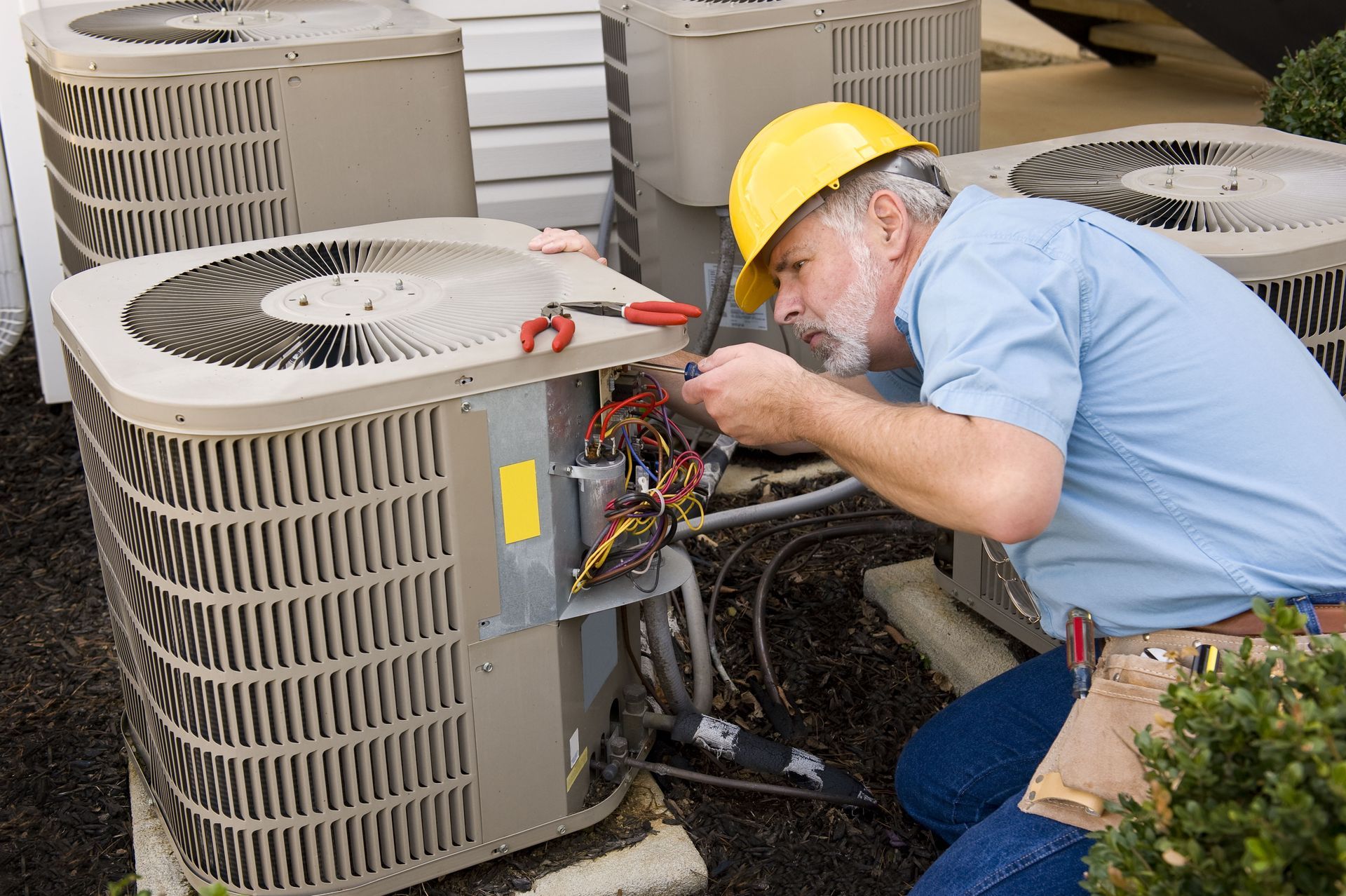
Cooling equipment relies on a delicate balance of interconnected mechanical parts working in harmony to regulate indoor temperatures. When a minor component such as a capacitor, fan blade, or electrical relay begins to fail, surrounding parts must work significantly harder to compensate for the imbalance. For instance, a worn capacitor places excessive strain on the compressor motor, forcing it to draw higher electrical currents and generate extreme heat during operation. Postponing air conditioning repairs allows minor component friction to spread rapidly, converting simple low-cost part replacements into major mechanical overhauls. What begins as a minor hardware issue can quickly destroy vital internal assemblies if left unaddressed.
Overworking strained mechanical parts accelerates physical wear across bearings, belts, and electrical connections throughout the cooling cabinet. Severe internal friction generates excessive heat and vibration, which damages surrounding copper lines, loosens electrical wiring, and risks catastrophic compressor burnout. Replacing an entire compressor motor or sealed refrigerant system is exponentially more expensive than replacing individual worn accessories during routine maintenance visits. Promptly addressing minor mechanical symptoms protects surrounding components from secondary damage and prevents expensive emergency restoration expenses. Proactive service restores proper physical equilibrium, ensuring that mechanical parts operate smoothly without creating unnecessary wear on adjacent components.
2. Increasing Monthly Energy Consumption
A cooling system experiencing unaddressed mechanical problems operates far below its intended seasonal energy efficiency performance standards. Dirty evaporator coils, clogged air filters, low refrigerant levels, or worn motor bearings force the system to run longer cycles to reach target thermostat settings. As internal components struggle against mechanical resistance, the equipment draws excessive electrical power continuously throughout the day. Homeowners who delay necessary air conditioning repairs often notice a steep increase in monthly electric bills despite maintaining identical cooling habits. The additional energy required to push air through a compromised system quickly adds up over several summer months.
Wasting energy on inefficient cooling performance silently drains household financial resources while delivering substandard interior comfort. The financial capital spent on inflated electricity bills over a full cooling season could easily cover the cost of professional mechanical service. Furthermore, extended operational cycles cause severe mechanical fatigue, compounding efficiency losses as internal assemblies deteriorate further. Scheduling timely air conditioning repairs restores optimal operational efficiency, reducing monthly electrical consumption and keeping utility expenses predictable. Investing in prompt mechanical service allows homeowners to enjoy consistent indoor cooling without paying excessive energy penalties every month.
3. Shortening Total System Lifespan
Residential cooling systems represent major financial investments that are designed to deliver reliable indoor comfort across many years of service. However, continuous operation under mechanical stress significantly accelerates overall system wear, drastically reducing total equipment operational lifespan. Small mechanical faults force internal motors, fan assemblies, and compressors to operate under high temperatures and excessive friction constantly. Neglecting routine air conditioning repairs shortens total system longevity, forcing homeowners to face premature equipment replacement costs years earlier than expected. Continuous physical strain degrades structural integrity, turning a durable cooling unit into a failing asset.
Replacing an entire residential cooling system requires substantial capital expenditure that can disrupt household budgets without warning. Homeowners who address mechanical issues immediately extend overall equipment lifespan, maximizing the financial return on their original cooling investment. Well-maintained cooling equipment operates smoothly across its full expected service life, providing reliable comfort through seasonal heat waves. Prompt attention to mechanical warning signs prevents cumulative structural damage, keeping internal assemblies functioning reliably year after year. Protecting equipment longevity through timely mechanical attention remains the most practical strategy for avoiding premature replacement expenses.
4. Voiding Active Manufacturer Warranties
Equipment manufacturers offer comprehensive warranty coverage to protect consumer investments against unexpected component defects and premature mechanical failures. However, maintaining valid warranty protection requires homeowners to adhere to strict maintenance standards and address operating faults promptly. According to Fixr, many AC systems come with a manufacturer’s warranty lasting 5 to 10 years for standard parts and up to 15 years for extended coverage. Neglecting visible mechanical faults or failing to document professional air conditioning repairs can void these valuable protections entirely. Manufacturers often reject warranty claims if inspection reveals that component failure resulted from prolonged neglect or unaddressed operational stress.
Losing warranty coverage leaves property owners fully responsible for paying the complete cost of expensive replacement parts and specialized labor. When valid warranty protection remains active, major replacement components are covered directly by the equipment manufacturer, drastically reducing out-of-pocket repair bills. Delaying professional service risks sacrificing financial protection, transforming covered component replacements into full personal liabilities. Scheduling regular air conditioning repairs and retaining official service documentation keeps warranty coverage fully intact and valid. Maintaining active warranty compliance ensures that homeowners remain protected against unexpected structural defect expenses throughout the covered lifespan.
5. Degrading Indoor Air Quality
A neglected cooling system affects far more than indoor temperature levels; it directly impacts the purity of the air circulating throughout the residence. Unaddressed issues such as clogged condensate drain lines, frozen evaporator coils, or damp air filters create moist environments inside dark ductwork and cooling cabinets. These damp conditions encourage mold spores, bacteria, dust mites, and allergens to multiply rapidly within the air distribution network. Ignoring necessary air conditioning repairs allows airborne contaminants to circulate freely across living spaces, posing health risks for occupants.
Circulating contaminated indoor air can trigger allergic reactions, respiratory discomfort, coughing, and persistent sinus irritation among family members. Furthermore, microbial growth inside drain pans produces unpleasant, musty odors that permeate furniture, carpeting, and living areas. Professional technicians clear blocked drain channels, treat internal surfaces, and replace contaminated air filtration materials during service calls. Prompt mechanical intervention eliminates moisture accumulation, neutralizes unpleasant odors, and restores clean airflow across every room. Maintaining clean cooling equipment safeguards family health and maintains a fresh, comfortable indoor environment throughout the summer.
Postponing necessary cooling system maintenance creates compounding mechanical problems that result in severe financial loss, reduced efficiency, and compromised home comfort. From multiplying internal component damage and rising electricity costs to shortened equipment lifespan, voided manufacturer warranties, and poor indoor air quality, the true expense of delayed service far exceeds the cost of prompt mechanical attention. Addressing minor operational issues early protects major equipment assemblies, lowers monthly energy bills, and ensures uninterrupted summer comfort for your household. Taking proactive care of your residential cooling investment provides long-term peace of mind and prevents emergency breakdown expenses. If you are noticing signs of mechanical strain in your cooling system and want expert guidance, please reach out to our dedicated team at Cole's Heating & Cooling.
Share On: